


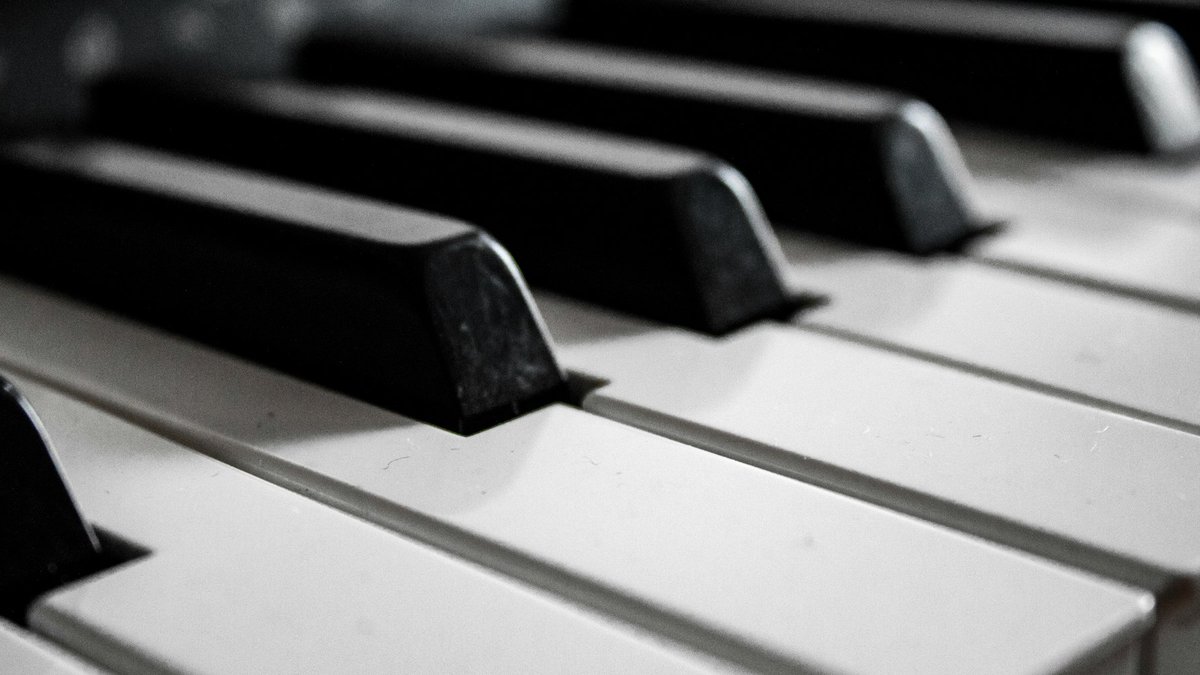
Digital and hybrid pianos have quietly become very good, closing the gap that once justified skepticism among serious musicians.
Early digital pianos earned their mixed reputation due to their plasticky feel and lack of depth in sound. However, modern engineering has substantially changed the picture, producing instruments that respond and resonate more convincingly.
Advances in sound sampling, key action design, and speaker systems have enabled digital pianos to capture nuances of touch and tone that would have been impossible not long ago.
Casual listeners often cannot tell the difference in a blind comparison, which is a significant improvement from earlier models.
Hybrid instruments occupy a middle ground, pairing a real acoustic-style action with digital sound generation.
This combination gives players the authentic feel of a traditional keyboard alongside the flexibility of digital technology, making them a practical choice for many musicians.
For players who care most about touch, a hybrid’s genuine mechanical action preserves the connection between fingers and keys, making the transition from acoustic instruments smoother.
They also inherit practical benefits like volume control, headphone practice, and freedom from tuning, which are significant advantages over traditional acoustic pianos.
These features solve real problems, such as silent practice through headphones, which lets someone play at midnight without disturbing others.
Stability and low maintenance are also advantages, as digital or hybrid instruments do not drift out of tune or require regular technician visits, making them a cost-effective option in the long run.
Connectivity is another practical advantage, with many instruments integrating easily with learning apps and streaming services.
Related: Netflix faces 105 million dollar lawsuit
Matching the instrument to the player is essential, as the right choice depends on who will be playing and why.
A dedicated student has different needs than a hobbyist or a producer building tracks in a home studio, and considering these needs is key in making an informed decision.
Space and budget also shape the decision, as an instrument that overwhelms a small room or gets lost in a large one rarely gets used to its full potential.
Setting a realistic budget and trying instruments in person can help find the right fit.
In the past, digital pianos were seen as inferior to their acoustic counterparts.
However, with the advancements in technology, they have become a viable option for many musicians, offering a more practical solution for their needs, such as being able to practice silently or having access to a wider range of sounds.
Digital and hybrid pianos have earned a serious place in the conversation, and the old reflex to dismiss them no longer holds up.
For many players and many homes, these instruments offer a combination of feel, flexibility, and practicality that suits contemporary life far better than tradition alone would suggest, making them a great option for those looking for a reliable and versatile instrument.
Consider how you will actually play, where the instrument will live, and what practical features would genuinely improve your musical life, and the right instrument tends to reveal itself clearly.
It is not which category wins some abstract debate that matters, but which instrument gets played, and as the technology continues to evolve, it will be interesting to see how digital and hybrid pianos continue to influence music.


